

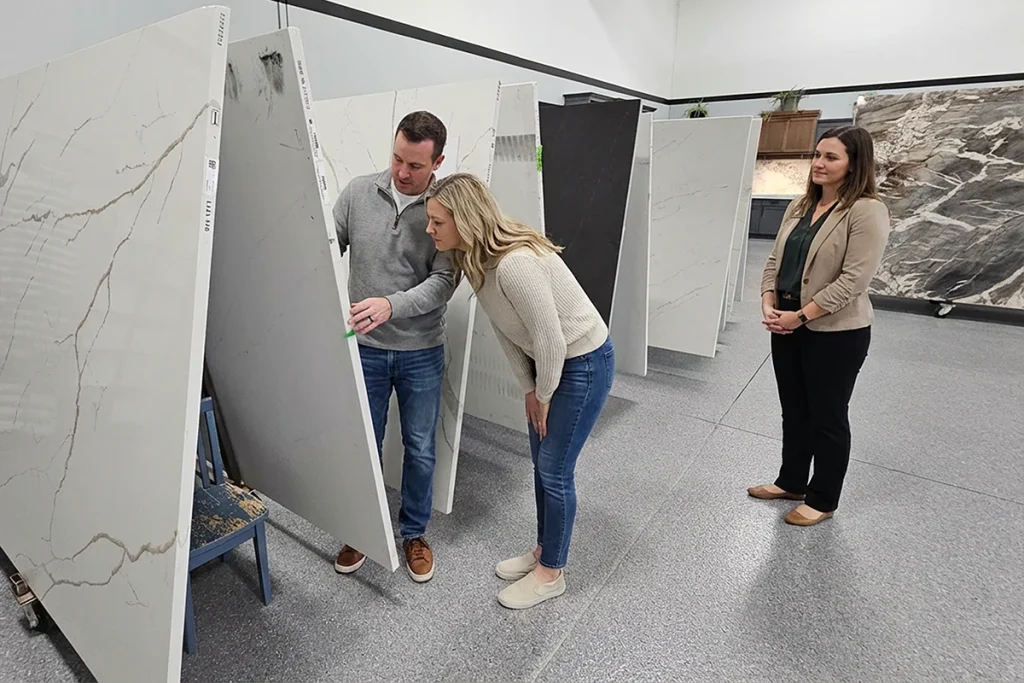
Natural stone countertops are one of the most impactful upgrades you can make to a kitchen or bathroom. Granite, marble, quartzite, soapstone, and other premium stones offer unmatched beauty and long term value. At the same time, pricing can feel confusing if you do not understand what actually goes into the final number.
This guide breaks down the real factors that influence the cost of natural stone countertops so you can plan your budget confidently and avoid surprises along the way.
The Type of Natural Stone Matters Most
The biggest driver of countertop cost is the type of stone you choose. Each material is formed differently in nature, sourced from different regions, and handled differently during fabrication.
- Granite is often one of the most budget friendly natural stones while still offering excellent durability and variation.
- Marble tends to cost more due to its classic veining, softer structure, and higher demand for careful fabrication.
- Quartzite is typically priced higher because it is extremely hard, dense, and more labor intensive to cut and polish.
- Soapstone varies widely in price depending on color consistency and slab thickness.
- Onyx and semi precious stone sit at the top of the pricing spectrum due to rarity and specialty fabrication.
Even within the same stone category, prices can vary significantly depending on origin, color, and availability.
Slab Quality, Rarity, and Visual Movement
Not all slabs are created equal. Natural stone is graded based on factors such as color consistency, veining, movement, and overall visual impact.
Highly dramatic slabs with bold veining or rare coloration typically cost more than quieter patterns. Full slabs that are free from excessive fissures or repairs also command higher pricing.
Premium fabricators work only with high quality stone, which protects the final look of your countertops and helps avoid long term issues.
Square Footage and Layout Complexity
Countertops are typically priced by the square foot, but layout plays a major role in the final cost.
Factors that increase material and labor requirements include:
- Large kitchen islands or wraparound layouts
- Multiple sections or separate countertop runs
- Excessive seams due to cabinet configuration
- Limited slab yield because of pattern alignment
A well planned layout can reduce waste and help keep costs under control without sacrificing design.
Edge Profiles and Custom Fabrication Details
Edge treatments are another important pricing factor. Simple eased or pencil edges are typically included in base pricing, while more decorative profiles require additional fabrication time.
Custom features that may add to the cost include:
- Waterfall edges
- Thick mitered edges
- Decorative ogee or chiseled profiles
- Integrated drainboards or custom cutouts
These details add craftsmanship and visual impact, but they also increase labor and fabrication complexity.
Fabrication Technology and Craftsmanship
Natural stone must be measured, cut, polished, and finished with precision. The quality of fabrication directly affects how seams align, how edges feel, and how the stone performs over time.
Professional shops use advanced digital templating, precision cutting equipment, and experienced craftsmen to ensure accuracy. This level of workmanship is reflected in the overall price and long term durability of the installation.
Installation and Project Scope
Installation is not a one size fits all service. The cost depends on access, site conditions, and project scope.
Installation factors include:
- Stairs or tight entry points
- Older homes requiring careful handling
- Multiple floors or long carry distances
- Undermount sinks, cooktops, and specialty fixtures
Professional installation ensures proper support, precise leveling, and long lasting performance.
Remnants and Boutique Slab Options
For smaller projects like bathroom vanities, bar tops, or laundry rooms, stone remnants can offer excellent value. These are leftover pieces from full slabs that still meet premium quality standards.
Choosing remnants can significantly reduce material costs while still delivering the beauty of natural stone.
What Homeowners Should Expect When Budgeting
While every project is unique, natural stone countertops typically fall into a range based on material, design, and scope. Entry level granite projects may start lower, while high end marble or quartzite installations with custom features can reach higher investment levels.
The most important thing to remember is that natural stone is not just a surface. It is a long term investment in your home that adds beauty, durability, and resale value.
Why Transparency Matters When Choosing a Fabricator
A reputable countertop company will walk you through slab selection, explain pricing clearly, and help you make informed tradeoffs based on your priorities. Understanding where the money goes allows you to choose the right stone and design without compromising quality.
If you are planning a kitchen or bathroom remodel in the Twin Cities, working with a local fabricator who specializes in premium natural stone ensures you get accurate pricing, expert guidance, and results you can enjoy for decades.
Ready to explore your options? Visit our showroom or schedule a consultation to see full slabs, compare materials, and receive a clear, detailed estimate tailored to your project.